If you’re searching for the best retro football kits to collect, the goal isn’t to chase the rarest “grail” on day one. The best collections are built around shirts you genuinely love, can actually wear, and won’t regret buying—while avoiding common traps like fakes, sizing mistakes, and overpriced listings.
Retro shirts can be confusing—different versions, inconsistent sizing, fakes, and prices that swing wildly depending on condition and demand. This guide gives you a practical system to choose the best retro football kits to collect, whether you’re just starting or building a serious collection.
Quick takeaways (if you’re buying soon)
- Start with wearable classics before chasing rare grails.
- Build around identity + design + story (a simple 3-kit formula).
- Always verify authenticity and measurements when buying secondhand.
- Condition matters as much as rarity.
- Wash and store retro kits properly to protect value.
What makes a retro kit “worth collecting”?
A collectible retro shirt usually has at least two of these qualities:
- A strong story (a legendary season, iconic player, famous match, underdog run)
- A timeless design (colors, collar, pattern, sponsor placement that still looks great today)
- Long-term demand (clubs/nations with global fanbases or kits loved by neutrals)
- Rarity or special details (limited sponsors, special editions, unique variants)
- Wearability (you can style it with everyday outfits, not just on matchday)
The 5 best categories of retro football kits to collect
Instead of a random “Top 50 list,” here are five collecting lanes that consistently produce great collections.
1) Iconic title-winning seasons (the “history lane”)
These are the kits tied to major trophies, legendary teams, and peak-era players.
Why collectors love them
- the story is clear and timeless
- demand stays strong over time
- easy to display and talk about
Watch out for: high counterfeit volume and inflated prices on marketplaces.
2) Design classics (the “aesthetic lane”)
Some kits are collectible even if the team didn’t win much—because the shirt is simply beautiful.
Look for
- standout collars and cuffs
- memorable templates (especially 90s/early-2000s eras)
- balanced sponsor + color combinations
- subtle jacquard textures or clean striping
Why it’s beginner-friendly
- you can collect based on taste
- these kits are often wearable as streetwear
3) Cult classics and “conversation starter” kits
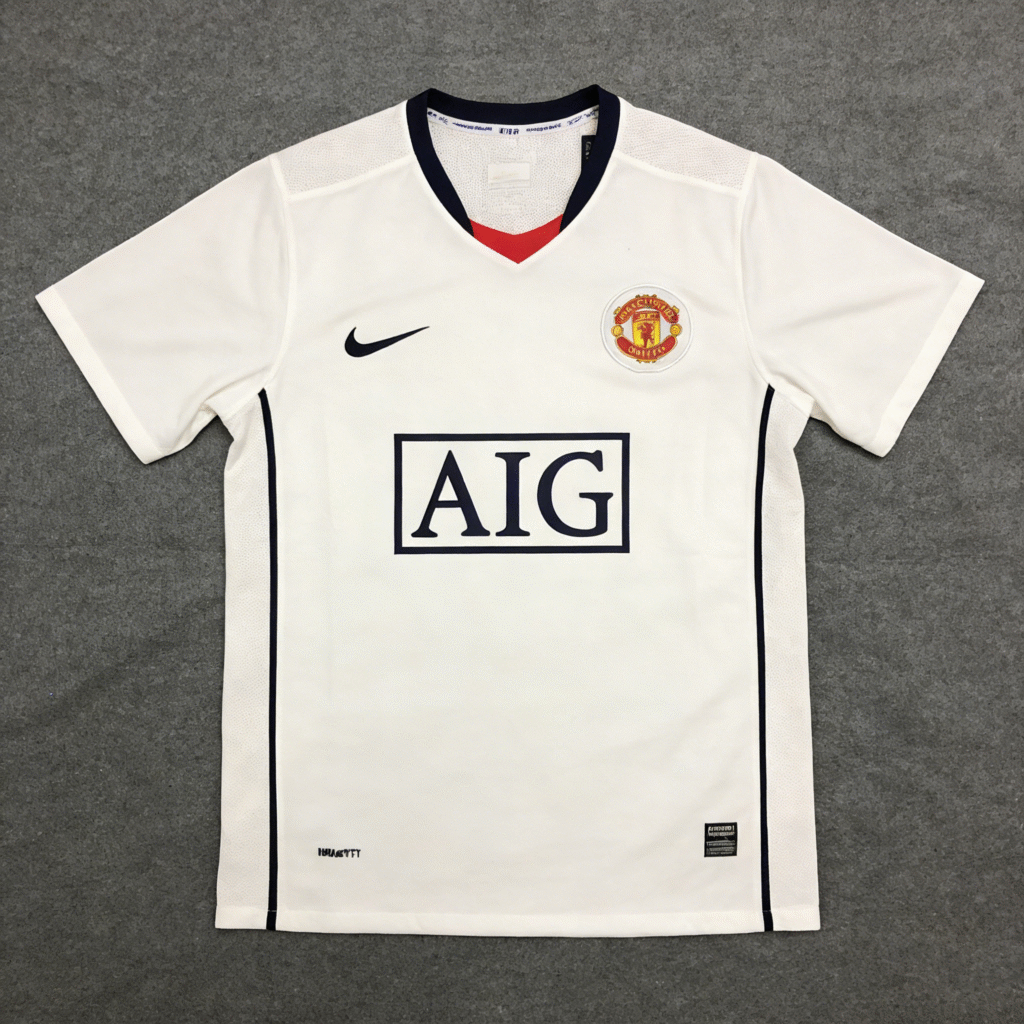
Every great collection has shirts that make people stop and ask questions.
Common cult-kit traits
- unusual colorways
- short-lived sponsors
- limited variants (special anniversary releases, charity editions)
- rare goalkeeper kits
- unique national team designs that stand out globally
Tip: Cult kits can become more valuable over time, but only if the design is genuinely distinctive and the condition is good.
4) Tournament kits (World Cup, Euros, continental tournaments)
Tournament shirts often feel “cleaner” (especially sponsor-free national kits), and they carry powerful memories.
Why they’re great to collect
- strong national identity
- instant nostalgia from specific tournaments
- many are timeless and easy to wear
If you want to build a tournament lane, start with kits that match your own memories.
5) Official reissues (the low-risk collector lane)
Official retro reissues are perfect if you want the classic look with fewer headaches.
Pros
- more consistent sizing
- easier returns
- lower fake risk (when bought from trusted retailers)
Cons
- less “true vintage prestige” for hardcore collectors
- details (fabric/finish) may differ slightly from originals
For many collectors, reissues are the best way to wear cl
How to protec
Care is part of collecting.
Do
- wash inside out
- cold wash / gentle cycle (or hand wash)
- air dry only
- store away from heat and direct s
Avoid
- tumble drying
- ironing directly on printing
- harsh scrubbing of numbers/sponsors