Classic World Cup Jerseys: The Most Iconic Designs (And Why They Still Matter)
Classic World Cup jerseys are some of football’s most recognizable cultural symbols. A truly iconic World Cup shirt isn’t just “good-looking”—it usually combines strong national identity, a clear design language of its era, unforgettable memories, and real styling value.
This article isn’t here to argue about “which kit is #1.” Instead, it takes a practical approach: what kinds of World Cup designs become classics, which design eras the most iconic kits come from, and how to buy one without choosing the wrong version, overpaying, or ending up with something misrepresented.
Quick takeaways (if you’re buying soon)
- The most iconic World Cup kits usually have instant national recognition (colors/stripes) + a distinct era feel (collars, graphics, textures).
- Decide what you’re buying first: vintage original vs official reissue vs retro-style remake.
- Don’t guess sizing—use pit-to-pit + length measurements.
- If you’re buying secondhand, ask for label close-ups and check crest/printing quality before paying.
- Care matters: cold wash, inside out, air dry—heat is the enemy of printing.
1) What makes a World Cup jersey “iconic”?
Most iconic World Cup kits share 3–5 of these traits:
1) Instant national recognition
The color system is clear and unmistakable. Even people who don’t follow football can often recognize the country by the shirt alone.
Examples of strong identity design (without ranking):
- Brazil’s yellow/green color language
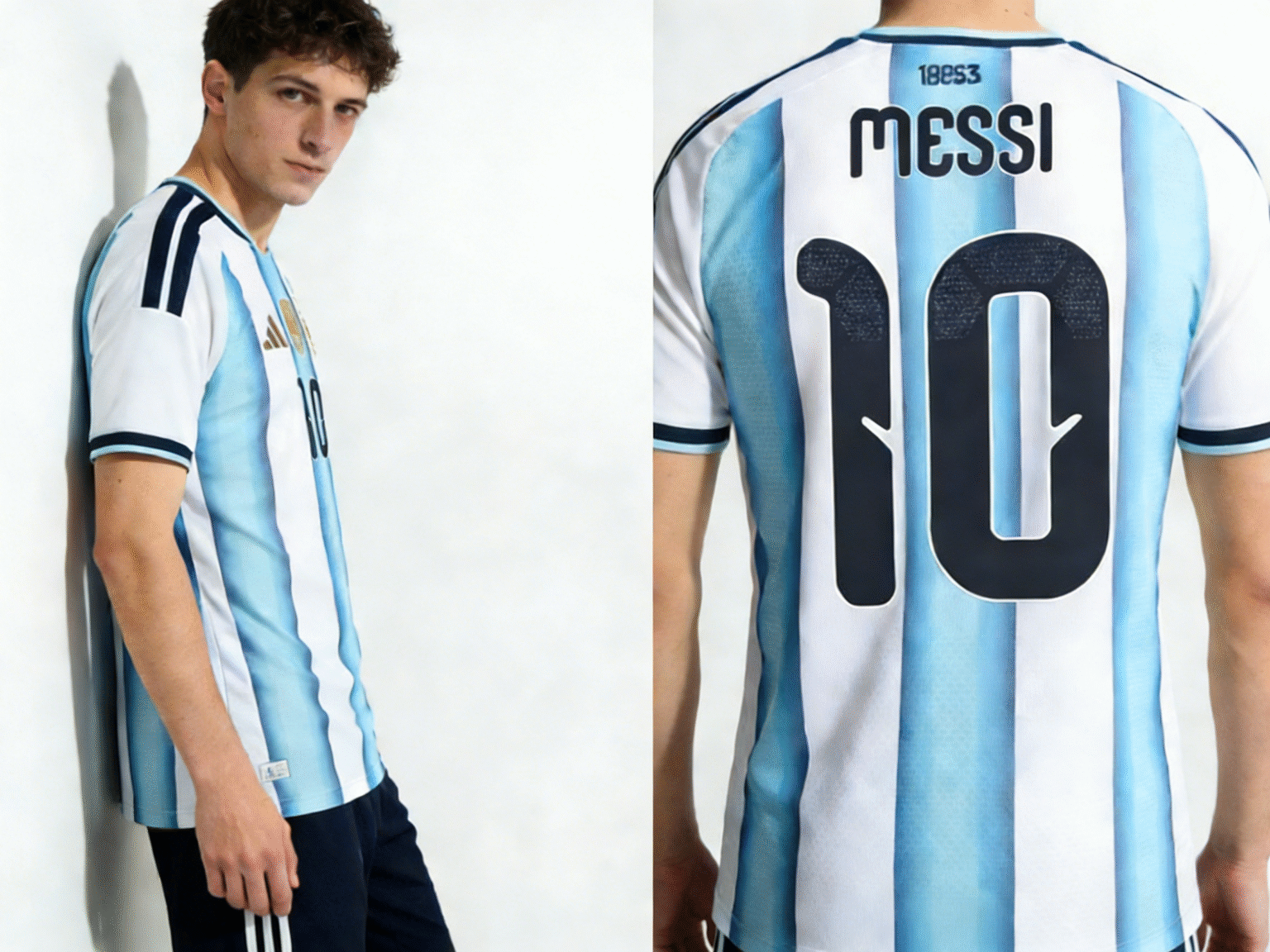
- Argentina’s sky-blue stripes
- Netherlands’ orange
- Germany’s clean white/black identity
- Italy’s deep azzurri blue
2) A distinctive design language
Some decades have signature elements: geometric graphics, jacquard textures, contrast collars, bold stripes, or template-era patterns. You can often place the shirt in a specific era immediately.
3) A story or memory behind it
Legendary players, famous goals, dramatic upsets, and iconic matches turn a kit into a memory carrier. A shirt becomes “classic” when it reminds people of a moment.
4) Wearability beyond football
The best classic World Cup jerseys look good with everyday outfits: jeans, cargos, overshirts, denim jackets, and sneakers. That styling versatility keeps them popular long after the tournament ends.
5) Rarity or reissue hype
Rarity can increase collector value, while popular reissues can keep a design in the mainstream—meaning the kit stays relevant and searchable year after year.
2) The design eras that created classic World Cup jerseys
If you’re shopping for an iconic World Cup kit, choosing by design era is often easier than memorizing specific years.
Era A: Minimal classics (clean and timeless)
These kits rely on a main color + simple accent colors, with clear crest and brand placement. The look is balanced and never feels outdated.
Why they work
- timeless silhouette
- easy to style
- looks “classic” even decades later
Best for: first-time buyers and people who want a shirt they’ll wear often.
Era B: Collars and detailing (the neckline is the personality)
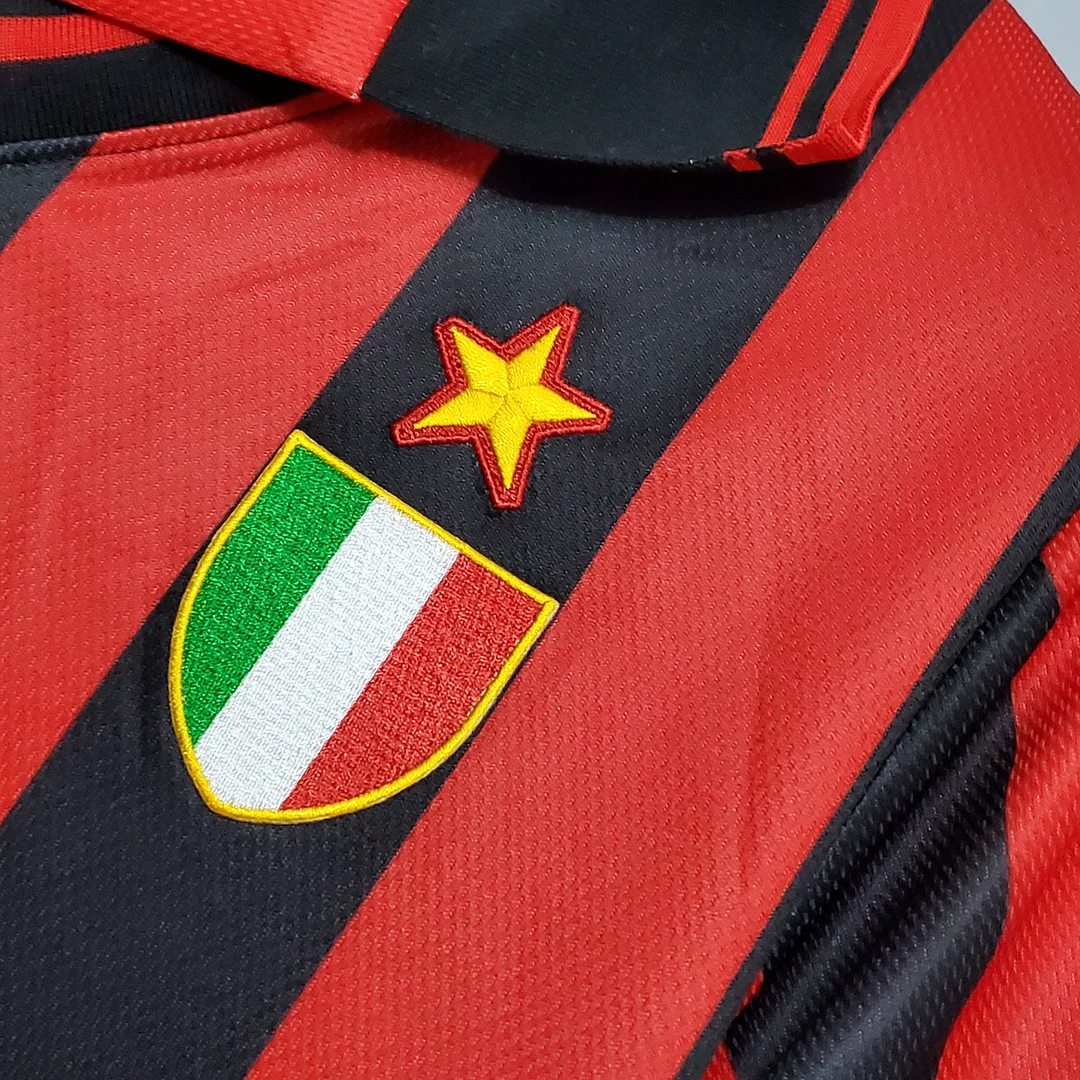
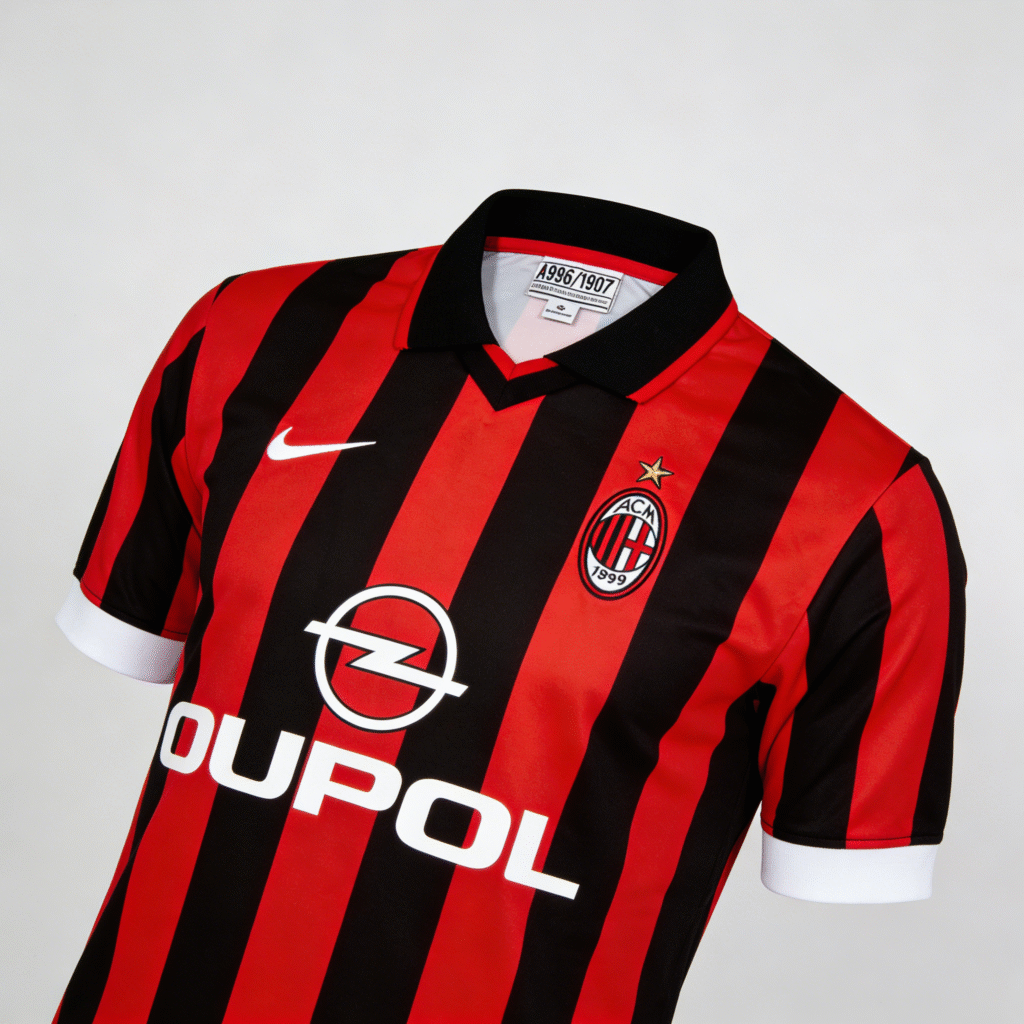
Many beloved classics are defined by the collar and finishing. The shirt feels “retro” immediately because the details are so strong.
Common features include:
- contrast collars / button collars
- wide sleeve cuffs
- piping, thin stripes, or trim lines
Best for: fans who love vintage style and prefer a refined look over loud graphics.
Era C: The graphic explosion (bold 90s/early-2000s aesthetics)
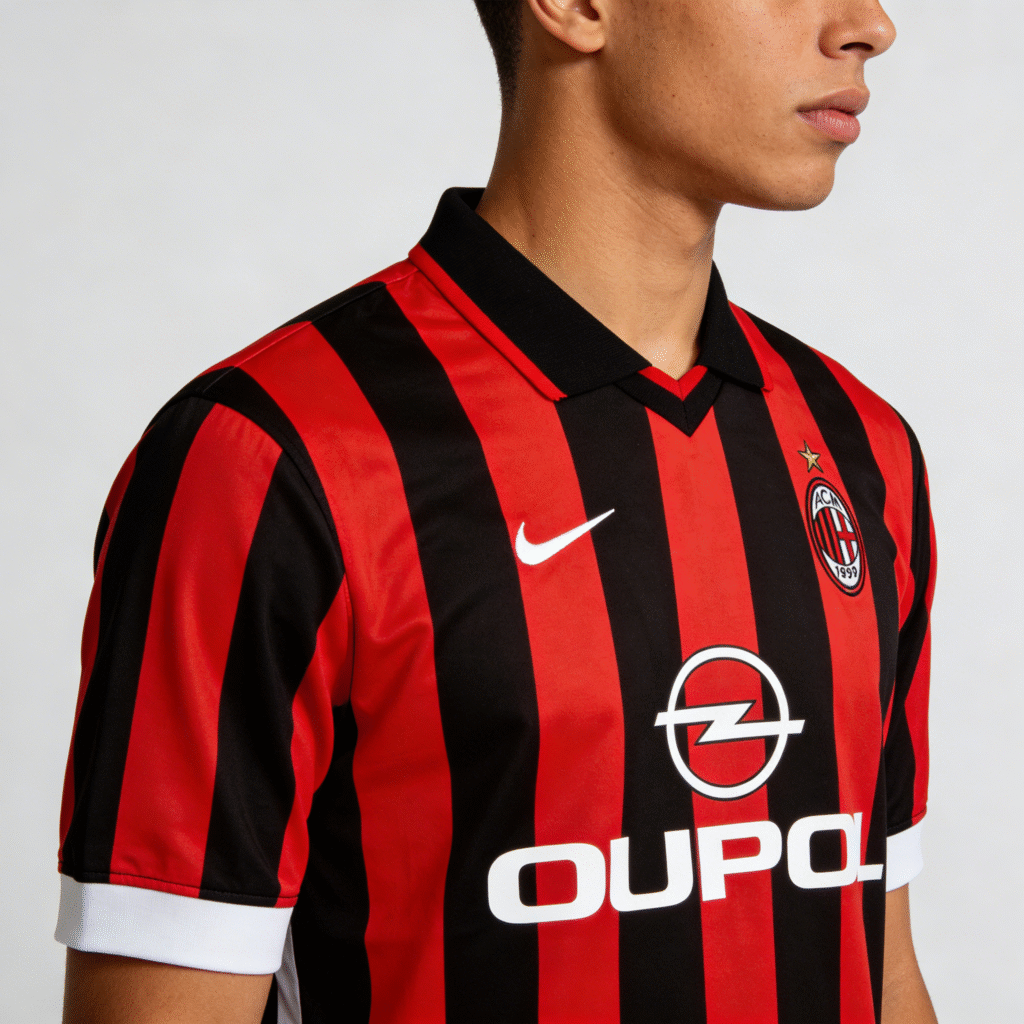
This is where many “iconic designs” live: geometric shapes, all-over textures, high-contrast panels, and jacquard patterns.
Why collectors love it
- instantly recognizable “tournament era” energy
- huge crossover into streetwear and fashion
- looks like wearable design art
Important: popular graphic-era kits are also frequently counterfeited—be stricter with authenticity checks.
Era D: Modern performance (lighter fabrics, cleaner silhouettes)
Modern World Cup kits focus on fabric technology and ventilation zones. Many are beautiful, but the “retro iconic design” feel often comes more strongly from earlier eras.
3) How to choose a classic World Cup jersey worth buying
If you’re buying a kit to actually own (not just admire), use this simple framework:
A) Buy for identity
Pick your country or the national team you connect with most. This is usually the shirt you’ll wear the most.
B) Buy for design
Some shirts are iconic purely because they look incredible—regardless of who you support. These are often the easiest to style as everyday fashion.
C) Buy for story
Choose a kit that connects to a World Cup memory you care about: a match, a player, a tournament run. That story is part of why classic World Cup jerseys feel special.
4) Before you buy: decide which type you’re buying (this prevents most mistakes)
A lot of people search “classic World Cup jerseys” but end up buying a completely different product type than they expected. Usually it’s one of these:
1) Vintage original
A genuine shirt made in the original era.
Pros: true era feel, collectible value
Cons: higher fake risk, condition varies, sizing inconsistency
2) Official reissue / re-release
A newly produced classic design made under official licensing.
Pros: easier sizing, lower risk, often easier returns
Cons: less “true vintage prestige” for hardcore collectors
3) Retro-style remake / unofficial version
Looks similar, but licensing is unclear or not official.
Pros: cheaper
Cons: low collector value; sometimes misleading marketing
Recommendation: If this is your first purchase, start with an official reissue. If you’re collecting, go vintage—but only after you’re comfortable checking authenticity and condition.
4) Price: don’t get pulled into nostalgia markup
Classic kits can be expensive, but price should reflect:
- whether it’s vintage or reissue
- condition (stains, pulls, cracking, collar wear)
- popularity and rarity
- size demand
- completeness (tags, details, provenance)
If the same kit has wildly different prices across sellers, be cautious and verify harder.
Frequently Asked Questions
What are the most iconic World Cup jerseys?
The most iconic World Cup kits combine strong national identity, era-defining design, and memorable tournament association. Many celebrated designs come from the collar-heavy era and the bold graphic era of the 90s/early 2000s.
Are classic World Cup jerseys official?
They can be. Some are authentic vintage originals, others are officially licensed reissues, and some are unlicensed remakes. Always confirm what type you’re buying.
Do retro World Cup jerseys run big?
Some older cuts feel roomier, but sizing depends on brand, era, and version. Always rely on flat measurements rather than just S/M/L.